
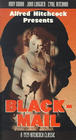
 Blackmail (1929)
Themes: Mirrors, Blonde, Art, Brandy, Caged Bird, Art Museum, Stairs, Wrong Man, Rape
Characters:
Alice White - diminutive, petulant, passive
Frank Webber (Detective Constable)
The Artist (Mr. Crewe)
Mrs. & Mr. White (Alice's parents)
The Landlady
Notes:
Use of reflective objects - police entering suspects room, mirror in lobby.
Treatment of time-lapse w/ ashtray
Stairwell crane shot
Murder occurs OS: we see her hand grabbing the knife, then the artist's lifeless hand. During the rest of the film, the knife/hand motif repeats: Alice imagining a knife in the hand of the beggar, knife scene at dinner table where Alice suddenly yells knife (knife tossed), Alice sees the coctail glass on neon sign turn into a hand holding a knife moving up and down.
Attempted rape - cues: his stealing the robe, his facial expressions (menacing), use of reverse psychology to manipulate Alice into trying on the dress (which required that she undress), he pulls down her straps and adjusts her, the painting scene - where he finishes the body on the character (suggestive - is this what he imagines Alice to look like?)
Alice's choice to ditch Frank to go off with the artist, suggests to the viewer that she is asking for what she gets.
Whistling - 5 whistlers, "best things in life are free"
Art references - Death mask on the wall, chase in the art museum, the painting.
Final scene: Alice trapped between the two men laughing, forced to laugh along - makes her the but of the joke. Painting of jester - pointing and laughing at everyone. Parallel reversal: at the beginning of the film Alice is also laughing, however - in the beginning she was in a position of power, in the end this has been reversed - as she is powerless trapped between the two men.